
Pilot
VerifiedMay be outdatedWhat is Pilot?
Pilot is an enterprise accounting and general ledger software for startups or small enterprises. The platform helps them handle bookkeeping, taxes, and other financial operations. For example, administrators can submit federal, state, and local income taxes and receive real-time progress information on filings.
Annual budgeting, investor reporting, pitch evaluations, fundraising tactics, forecasting, and other professional services are all managed through the platform. Managers may use Pilot to evaluate transactions and create financial statistics such as profit and loss, cash flow, and balance sheet every month. Burn rates may also be calculated, and inventory updates can be shared with eCommerce shops.
Pilot allows businesses to process bills, produce and distribute invoices with relevant staff, manage costs, develop budgets, and assess the financial health of their organizations. Employees can also track R&D costs and gather supporting documentation.
Pricing
Starting at $499/month · Subscription
Features
22 features that make Pilot stand out.
- Smart and Automated Systems
- Expense Tracking
- Tax Management
- Core Accounting
- Accounts Receivable
- Multi-Currency
- Activity Dashboard
- Accounts Payable
- Bank Reconciliation
- Bookkeeping Services Integration
- CPA Firms
- Core Accounting
Pros & Cons
Pros
- Comprehensive Financial Services:Pilot offers an all-in-one approach, covering bookkeeping, CFO services, tax, and R&D, which is highly valued by customers for its efficiency and effectiveness.
- User-friendly and AutomatedThe software is praised for its ease of use, automation, and the quality of bookkeeping, removing the need for in-house expertise at a fraction of the cost.
- Responsive and Professional SupportPilot’s support team receives high marks for being responsive, patient, and professional, often seen as an extension of the customer’s team.
- Effortless IntegrationCustomers appreciate Pilot’s ability to integrate seamlessly with other software packages like Quickbooks and Stripe, facilitating a smoother workflow.
- Customizable Service PackagesPilot offers flexibility in services tailored to meet the specific needs of businesses, from startups to large enterprises, including the option for accrual or cash basis bookkeeping.
Cons
- PricingWhile many find Pilot’s services valuable, some users consider the pricing premium, especially for tax filing services, which may not always meet expectations in terms of responsiveness.
- Bugs and Improvements in PortalThe transaction classification portal, though improving, can be buggy, indicating room for enhancement in the user interface.
- Tax Service ResponsivenessThere’s a noted need for improvement in the customer support outside of bookkeeping, specifically for tax return assistance, where responsiveness could be enhanced.
- CPA RelationshipsUsers who prefer building long-term relationships with CPAs noted that changes in assigned CPAs without notice could be a downside.
- Feature DevelopmentThere’s a desire for continuous development of automation to reduce manual adjustments, suggesting that while the automation is appreciated, there’s room for further enhancement.
Pilot alternatives
Tools buyers consider alongside Pilot.
Frequently asked questions
Is Pilot free to use?
How much does Pilot cost?
What does Pilot integrate with?
Who is Pilot best suited for?
How long does it take to onboard Pilot?
About the authors

Rashi Arora is currently working as a Project Manager at Aventra Group. Prior to this, she was a Product Owner at Broadcom. Rashi has gained expertise by managing renewals on Salesforce CPQ and improving the Renewal Admin Portal. Her strategic involvement in transitioning customer experiences from perpetual to SaaS models highlights her ability to modernize business operations. Rashi’s academic background from the prestigious International Institute of Information Technology Bangalore, coupled with her training from Product School, forms a strong foundation for her career. She effectively comb
LinkedIn ↗
Ana Maria Stanciuc is a highly skilled writer and content strategist with 10+ years of experience. She has experience in technical and creative writing across a variety of industries. With a background in journalism, her expertise goes beyond writing, as she brings a unique combination of creative storytelling and technical accuracy to her work. She is currently the Head of Content at Tekpon and the Editor in Chief for Tekpon Magazine. In her current role, she leverages her extensive writing experience and strategic insight to produce valuable content. Ana-Maria specializes in reviewing and cu
LinkedIn ↗Read more about Pilot
Editorial deep dives and how-to guides covering this tool and its category.
Best Accounting Software for Freelancers 2026
The best accounting software for freelancers and self-employed professionals in 2026. Compare FreshBooks, Wave, Bonsai, and 7 more on Tekpon.

Cloudways CPU-Optimized Servers & AI CoPilot for Scaling
Struggling with traffic spikes? Cloudways CPU-Optimized Servers + AI CoPilot keep your site fast, stable, and ready to grow without limits.
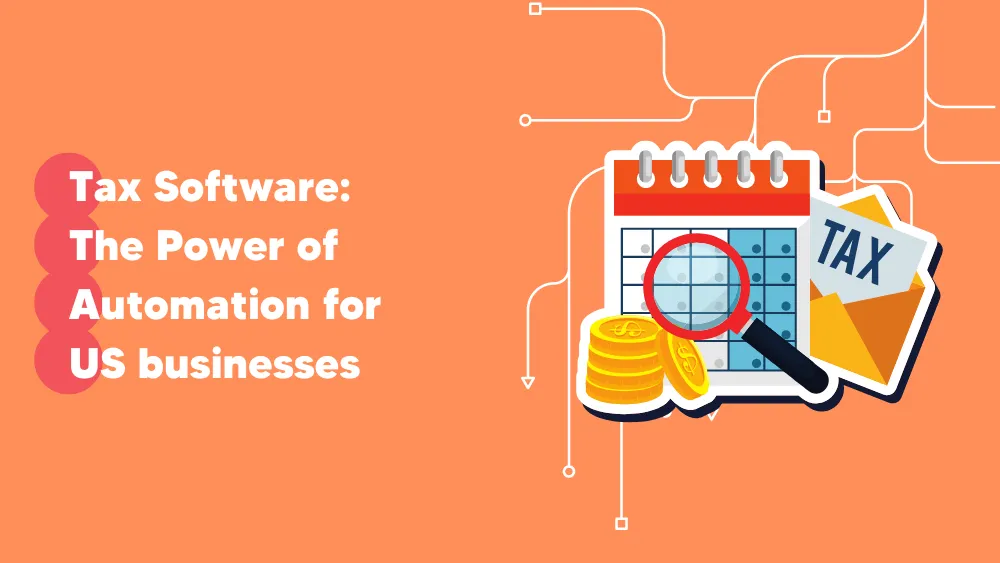
Tax Software: The Power of Automation for US businesses | Tekpon 2026
Discover the top benefits of using tax software for businesses in the US, including accuracy, time-saving, and cost-effective options.

Best accounting software options for a medium sized businesses | Tekpon 2026
Discover the best accounting software for medium-sized businesses, and optimize your financial processes. Then, get you ready for tax time!
Browse related categories
Other directories where this product (and its competitors) live.




Accounting Software
Accounting software should be one of the first acquisitions when starting a business. Accounting programs help you manage and even automate all a business’s financial transactions and functions. It includes features like invoice creation, recording incoming and outgoing payments, and real-time analysis of your business’s financial status. Moreover, it helps you track expenses and cash flow management, identifying and following up on past-due receivables.



Tax Software
Tax software is a computer application designed to help individuals and businesses prepare and file tax returns. These programs are designed to streamline the tax preparation process, and these are helpful for users with step-by-step guidance, automated calculations, and error-checking features.




Live Shopping Software
Live Shopping Software is a new way of selling your products through a combination of old eCommerce strategies and new technologies. With customers being more present online, a live shopping platform will help businesses effectively sell their goods through social platforms by working with influencers who broadcast content on social media platforms. Additionally, live shopping provides a unique experience unavailable on other channels.




Hosting Providers
Hosting providers offer services that allow individuals and organizations to make their websites accessible on the Internet. These services include web hosting, cloud hosting, domain registration, and content delivery networks (CDNs). Hosting providers manage the servers where website data is stored, ensuring that websites are available to users around the clock with minimal downtime.




POS Software
POS (Point of Sale) Software is designed to manage sales transactions in various business environments, such as retail stores, restaurants, and hospitality services. This software functions as a central hub for processing sales, managing inventory, and handling customer interactions.




Pricing Optimization Software
Pricing Optimization Software is a sophisticated tool designed to help businesses determine the most effective pricing strategies for their products or services. The software tools use advanced algorithms and data analysis to understand market dynamics, customer behavior, and competitive landscapes. By analyzing various factors such as costs, demand, and competitor pricing, it provides insights and recommendations for setting optimal prices.